Going Viral Doesn't Pay the Rent: The Cold Math Behind Streaming's Biggest Lie
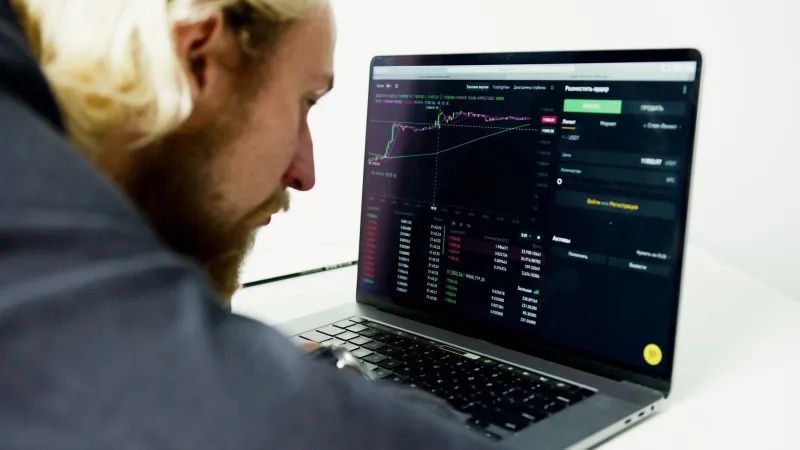
Somewhere out there, a streamer is refreshing their analytics dashboard at midnight, watching their concurrent viewer count tick upward with the kind of manic focus usually reserved for slot machines. They've got 600 people watching right now. Six hundred! That's more than most local sports bars on a decent game night.
Their monthly Twitch payout: $340.
This is not a sob story. This is a structural reality that the streaming industry has been quietly papering over with highlight reels and success narratives for years, and it's starting to catch up with an entire generation of creators who built their identities around numbers that turned out to mean almost nothing.
The Platform Payout Problem Nobody Wants to Say Out Loud
Let's start with the basics, because a lot of people still don't know how ugly they are.
Twitch's standard subscription split for most streamers is 50/50 — meaning for every $4.99 sub, the creator receives approximately $2.50. Partner streamers with significant leverage can negotiate better splits, but the majority of the platform's creator base is sitting at that baseline or worse. YouTube's streaming monetization is more favorable in theory but algorithmically punishing in practice for live content that doesn't translate neatly into VOD performance.
Ad revenue, which sounds more promising, is deeply dependent on viewer demographics, ad blocker usage (which runs high among gaming audiences), and CPM rates that fluctuate wildly by season. A streamer with 500 average viewers might generate $3-5 CPM on a good month. Run the numbers. It is not exciting.
The platforms have every incentive to keep creators chasing viewership metrics because viewership is what they sell to advertisers. The creator's financial health is, in the most literal sense, not their problem.
How the Algorithm Ate the Middle Class
Five years ago, a mid-tier streamer — let's define that as someone averaging 200-1,000 concurrent viewers — had a reasonably viable path to a modest but real income. The discovery algorithms on major platforms were less punishing, smaller channels could grow organically, and the competition for eyeballs, while fierce, wasn't yet dominated by a handful of mega-creators who had effectively cornered the recommendation engine.
That landscape has shifted dramatically. Platform algorithms increasingly favor content that generates high engagement in the first few minutes of broadcast — which advantages established creators with loyal, immediate audiences over newer or mid-sized channels that build more slowly. The "browse" sections of major platforms now surface large streamers disproportionately, creating a feedback loop where the big get bigger and the middle gets squeezed.
Streamers who built audiences between 2017 and 2020 frequently describe watching their average viewership decline 30-50% over the following three years despite consistent streaming schedules and content quality. The platform changed. Nobody sent a memo.
"I had 400 average viewers in 2021 and I was making okay money," one mid-tier variety streamer told us, asking to remain anonymous. "By 2023 I had 280 average viewers and somehow less money, even though I'd added a Patreon and merch. The math just stopped working."
The Metric Addiction Is Real and It's Expensive
Here's where the gaming psychology angle gets genuinely uncomfortable. The chase for follower counts, viewer peaks, and viral clips activates the same reward circuitry that makes other variable-reward systems so compelling. Every spike in the numbers delivers a hit. Every plateau or decline triggers anxiety that can only be soothed by — you guessed it — more streaming, more content, more engagement-chasing.
The problem is that engagement metrics and revenue metrics are not the same thing, and optimizing for one can actively harm the other. A streamer who chases viral moments and reaction content might see their clip numbers explode while their subscriber conversion rate stays flat. High viewership peaks with poor session retention — viewers who pop in for a clip and leave — are essentially worthless from a monetization standpoint.
Creators who've successfully reoriented their approach describe a counterintuitive shift: caring less about the numbers while focusing obsessively on the monetization mechanics. Smaller, more engaged communities consistently outperform larger, more diffuse ones in terms of actual revenue per viewer.
"I had 50,000 followers and a Discord that was basically dead," says one FPS streamer who rebuilt their approach from scratch in 2022. "I nuked the Discord, started hosting weekly paid coaching sessions for my actual regulars, and within four months I was making three times what I'd made at peak viewership. The audience got smaller. The income got real."
What Actually Makes Money in 2024 (Spoiler: It's Not Clips)
The streamers and gaming creators who are genuinely building sustainable income in the current environment share a few common traits that have nothing to do with how many people watch them on any given Tuesday.
Diversification that's actually diversified. Not "I have Twitch and YouTube" — that's two distribution platforms for the same product. Real diversification means multiple revenue types: subscriptions, coaching, digital products, affiliate revenue, sponsored content that's negotiated at fair rates, and ideally some form of passive income that doesn't require being live.
Community depth over audience breadth. A Discord with 200 highly engaged members who show up for events, buy merch, and actually talk to each other is worth more than 20,000 followers who followed you after one viral clip and haven't opened the app since.
Treating it like a business from day one. The creators who burn out or go broke are almost universally the ones who treated streaming as a passion project until the bills made that impossible, then panicked. The ones who make it are the ones who built a spreadsheet before they built an audience.
Knowing what you're actually selling. Viewers don't pay for content. They pay for connection, entertainment, community, expertise, or identity. Streamers who can clearly articulate what their audience is actually buying — and price that accordingly — tend to find that their audience is willing to spend more than the platform's default monetization tools would ever suggest.
The Honest Pitch
The streaming dream isn't dead. But the version of it where you go viral, rack up followers, and watch the money roll in? That version was always more fiction than fact, and the platforms have spent years making it even less true.
The creators building real careers right now are the ones who got honest with themselves about what the numbers actually mean, stopped optimizing for metrics that don't pay rent, and built something that could survive the algorithm changing again next year — because it absolutely will.
Play hard. Win harder. But maybe build a Patreon while you're at it.